David unexpectedly received a death threat letter from a stranger, informing him that his daughter had been kidnapped.
As a journalist covering Australian television drama, few storylines strike as sharply as the latest fictional twist imagined for Home and Away. In a chilling hypothetical development, David is thrust into every parent’s worst nightmare after receiving a threatening letter from an unknown sender—one that claims his daughter has been kidnapped.
According to this imagined plotline, the tension begins quietly but escalates with ruthless precision. David, known for his composed and protective nature, reportedly discovers the letter among his usual mail. At first glance, it appears ordinary—no return address, no immediate red flags. But the contents quickly unravel any sense of normalcy. The message is direct, cold, and unmistakably sinister: his daughter is gone, and her fate now lies in the hands of a stranger.
What makes this storyline particularly gripping is the psychological torment embedded in the threat. Rather than demanding immediate ransom, the anonymous figure seems to relish control, leaving David in a state of uncertainty. This delay tactic not only heightens suspense but also forces David into a desperate emotional spiral. For viewers, it’s the kind of slow-burn tension that Home and Away has mastered over the years.
In this fictional arc, David’s reaction becomes the emotional core of the story. Initially refusing to believe the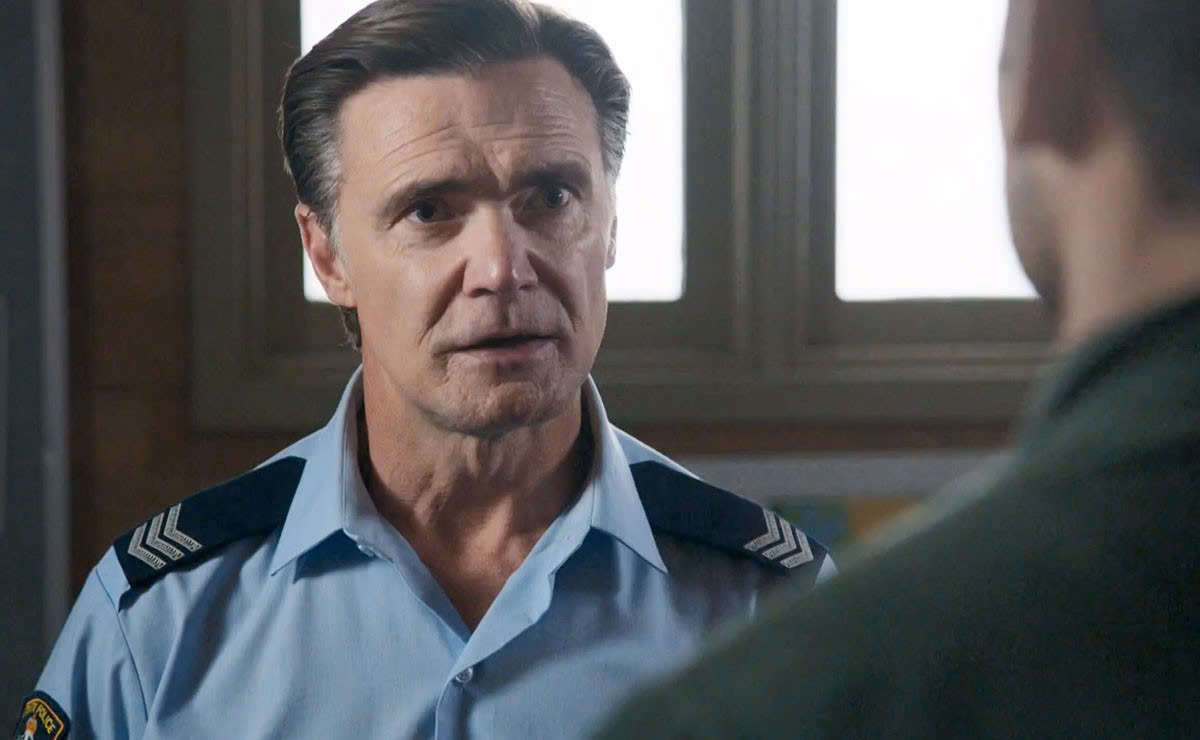 claim, he quickly shifts into panic mode when he cannot reach his daughter. The absence of confirmation becomes its own form of torture. His instincts as a father clash with the lack of clear direction—should he go to the police immediately, or would that put his daughter in even greater danger?
Those close to David would inevitably be drawn into the crisis. Friends and family begin to notice his erratic behavior, but trust becomes a fragile currency. The question of whether someone within his circle could be involved adds another layer of suspicion. Longtime viewers know that in Home and Away, threats rarely come from nowhere—there is often a hidden connection waiting to be revealed.


From a storytelling perspective, this imagined plot taps into primal fears: loss, helplessness, and the unknown. It also opens the door for multiple narrative directions. Is this a calculated revenge plot tied to David’s past? Or is it a random act of cruelty by someone seeking power and chaos? The ambiguity keeps the audience hooked, constantly questioning motives and outcomes.
What stands out most is how such a storyline would challenge David’s character. Stripped of control, he is forced to confront his vulnerabilities. His decisions—whether rational or impulsive—could determine not only his daughter’s fate but also his own moral boundaries. Would he break the law to save her? Would he trust the wrong person in his desperation?
While entirely fictional, this scenario reflects the kind of high-stakes drama that continues to define Home and Away. It blends emotional depth with suspense, ensuring that viewers remain invested not just in what happens, but in how the characters endure it.
If such a storyline were ever to unfold on screen, it would undoubtedly become one of the show’s most talked-about arcs—one that reminds audiences just how quickly life in Summer Bay can turn from calm to catastrophic.